Vaulted Pathways: How Tiered Rewards Link Mobile Spins with Dealer Tables and Athletic Markets
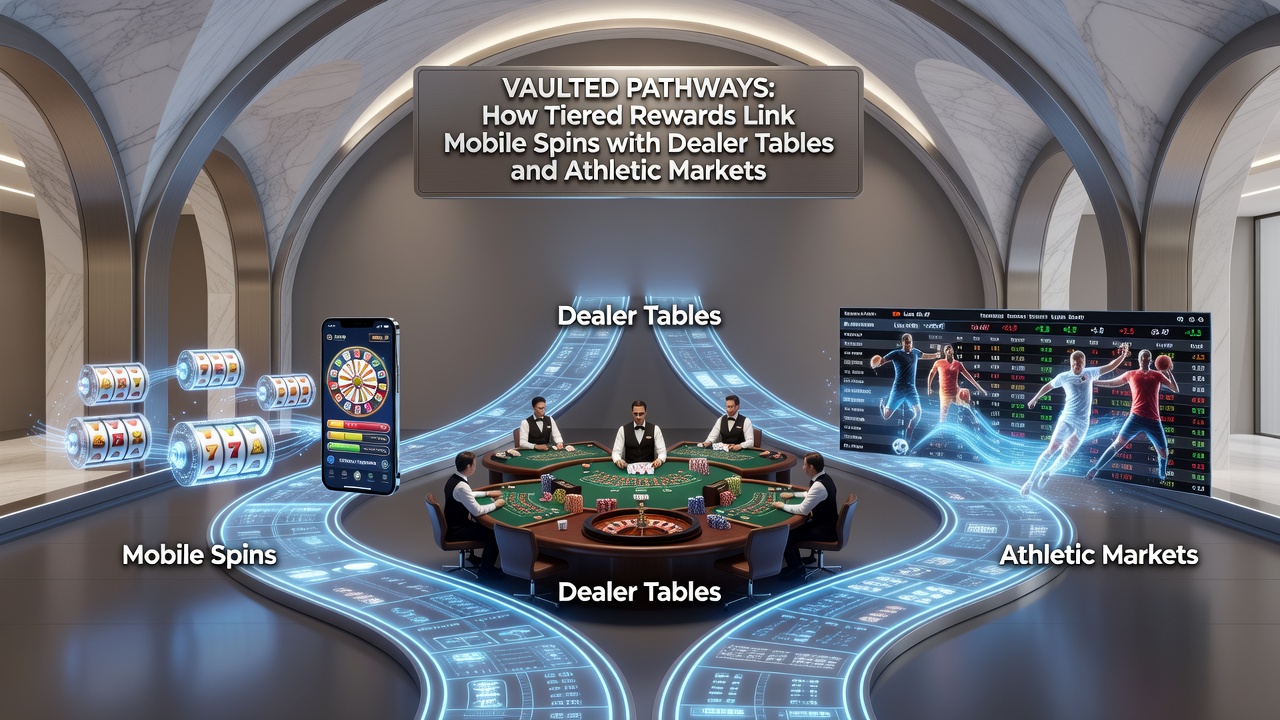
Data from multiple gaming jurisdictions shows tiered rewards programs now function as integrated systems that track activity across mobile slot spins, live dealer tables, and athletic markets in real time, allowing points earned in one vertical to influence status and benefits in others. Operators have built these pathways so that a player completing spins on a smartphone app can see those contributions reflected in table game comps and sports wager multipliers, while athletic market activity feeds back into slot and table tiers.
Mechanics of Cross-Vertical Point Accumulation
Systems assign base point values to each action, whether that action involves spinning reels on mobile devices, placing bets at live dealer tables, or wagering on athletic events, then apply tier multipliers that scale according to the player's current level. A player at the mid-tier level might receive 1.5 times the standard points for spins and table play while also gaining an additional 20 percent boost on sports market wagers, and these combined totals determine progression toward the next vaulted tier. Research indicates such structures emerged more widely after 2024 as operators sought to reduce player migration between separate platforms.
August 2026 figures released by several large operators revealed that players participating in at least two verticals retained their accounts 35 percent longer than single-vertical users, with tiered linkage cited as the primary retention driver. Points typically expire after 90 days of inactivity, yet many programs now extend this window when activity occurs in any linked category, creating continuity across mobile spins, dealer sessions, and athletic bets.
Integration Patterns Observed in Live Dealer Environments
Live dealer platforms record each hand or round played and convert those results into tier points that carry the same weight as spins completed on mobile, allowing a player finishing a blackjack session to unlock a higher sports betting limit the following day. Observers note that certain programs also award table-specific multipliers during peak hours, and those multipliers stack with existing tier benefits so that a premium-level player receives compounded rewards when moving between dealer tables and athletic markets within the same session window.
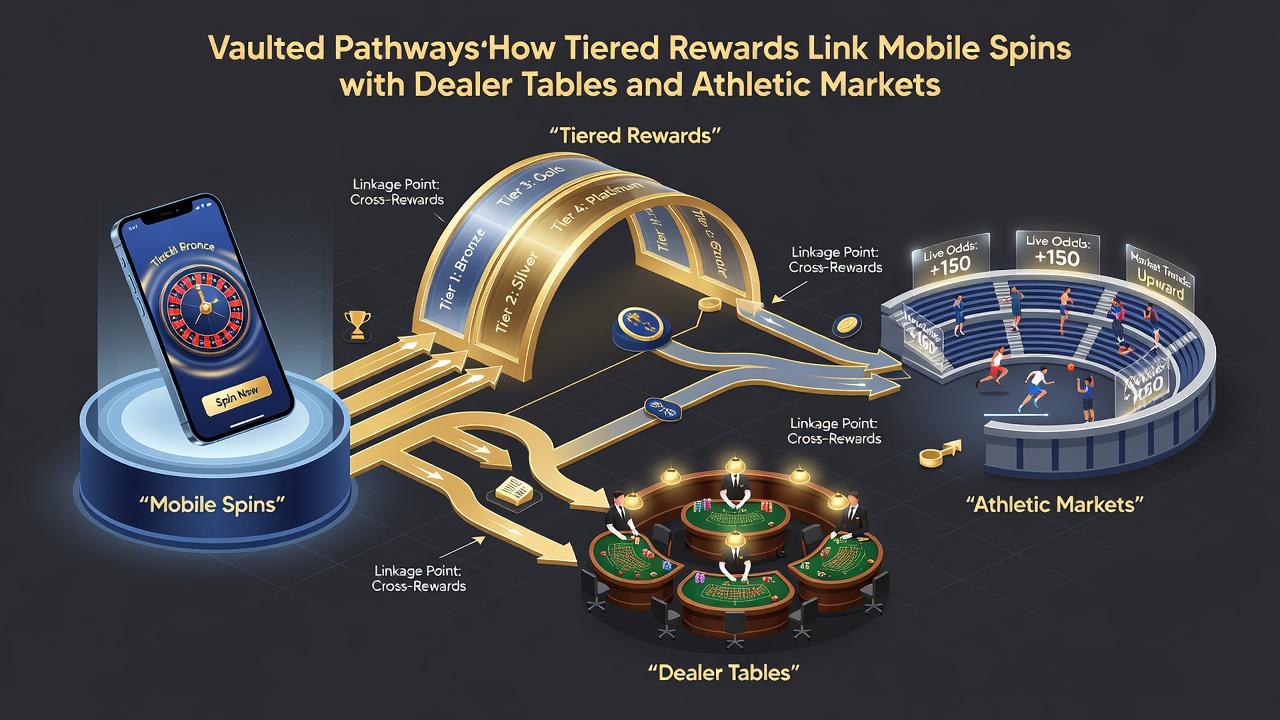
One documented case involved an operator that introduced a shared vault system in early 2025, where table game losses above a set threshold automatically generated bonus spins and sports free bets scaled to the player's tier, and data collected through the first half of 2026 showed a 28 percent rise in cross-vertical play among enrolled users. Such mechanics rely on centralized player accounts that update continuously rather than at daily batch intervals, ensuring that activity at a dealer table registers immediately for mobile and athletic market access.
Athletic Market Linkages and Tier Progression
Athletic markets contribute to tier advancement through wager volume and outcome-based bonuses, with points calculated on total stake rather than win or loss in most programs. Players who reach upper tiers often gain access to enhanced odds displays, reduced vig on selected athletic lines, and priority entry into mobile spin tournaments that award additional table comps. According to reports issued by the Alcohol and Gaming Commission of Ontario, programs incorporating athletic market activity into tier calculations experienced faster tier progression rates compared with programs limited to slots and tables alone.
Those who maintain consistent participation across all three areas frequently unlock vaulted tiers that provide simultaneous benefits, such as a single monthly reward bundle containing mobile free spins, table rake credits, and athletic market cashback. Industry data compiled by the American Gaming Association indicates that 62 percent of operators offering multi-vertical loyalty had implemented some form of shared tiering by mid-2026, with athletic market integration listed as the most recent addition in many cases.
Technical Infrastructure Supporting Vaulted Pathways
Backend systems rely on unified player databases that assign unique identifiers across mobile applications, live dealer interfaces, and sports betting platforms, enabling real-time point synchronization. When a player completes a set of spins, the system pushes updated totals to dealer and athletic modules within seconds, preventing discrepancies that could otherwise delay tier advancement. Several operators now employ cloud-based ledgers to record these transfers, and external audits conducted in 2025 and 2026 confirmed that point integrity remained above 99.7 percent across linked verticals.
Security protocols require two-factor authentication for tier redemptions that span multiple categories, while automated alerts notify players when activity in one area has advanced their status for the others. These features reduce friction for users moving between mobile spins, dealer tables, and athletic markets without separate logins or manual transfers.
Conclusion
Tiered rewards programs continue to evolve as operators refine the connections between mobile spins, dealer tables, and athletic markets through shared point systems and unified progression tracks. Data collected through August 2026 demonstrates measurable increases in cross-vertical engagement where these vaulted pathways operate, with technical infrastructure supporting consistent tracking and benefit delivery. Regulatory bodies in multiple regions continue to monitor these structures for compliance with existing player protection standards while operators adjust reward ratios based on observed participation patterns.