Unified Loyalty Frameworks Merging Slot Machines, Live Interactions, and Sports Wagering Platforms
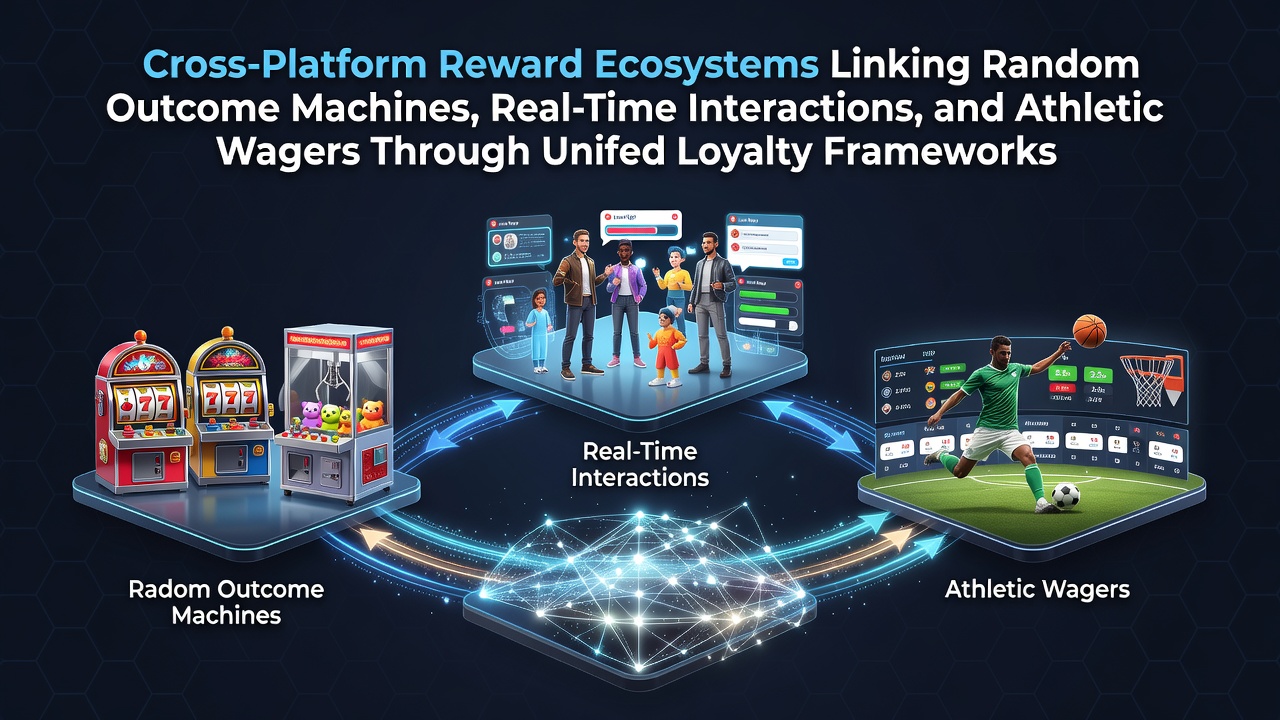
Operators have developed unified loyalty frameworks that connect random outcome machines such as slot games, real-time interactions through live dealer environments, and athletic wagers via sports betting platforms into single reward systems, allowing participants to accumulate and redeem points across these categories without separate accounts for each vertical.
Data from multiple jurisdictions shows that such integrations rely on centralized player databases which track activity from mechanical reels or video slots alongside table game streams and event-based betting markets, then convert those actions into loyalty tiers that unlock shared benefits like bonus credits or exclusive event access.
Core Mechanics of Cross-Platform Point Systems
Central servers process inputs from slot sessions where random number generators determine outcomes, live dealer rounds where real-time video feeds capture card shuffles or wheel spins, and sportsbooks where odds adjust during ongoing athletic competitions; each action feeds into algorithms that award points at rates calibrated to wager size and game type, according to technical documentation released by platform providers.
Those who study these systems observe that multipliers often apply when users move between categories, so a sequence of slot spins followed by a live roulette bet and then a football wager can accelerate tier progression faster than isolated play within one category alone.
Technical Infrastructure Supporting Integration
Application programming interfaces link disparate game servers to a common loyalty engine, enabling instant updates visible on mobile apps or desktop clients regardless of whether the activity originates from a random outcome machine, a live dealer studio, or an athletic wagering module. Security protocols encrypt transaction logs while compliance modules flag patterns that require regulatory review.
Research conducted by the University of Nevada, Las Vegas Center for Gaming Research indicates that these frameworks reduce account fragmentation by consolidating player histories, which in turn supports more accurate risk assessments and personalized reward allocations across the connected products.
Examples from Regulated Markets
In Ontario, iGaming operators have implemented unified programs where points earned on video slots transfer directly to live dealer blackjack tables and then to sports event wagers on the same platform, with redemption options including tournament entries that combine elements from all three categories. Similar structures appear in Australian state-licensed venues where loyalty cards track both electronic gaming machines and on-course betting terminals through shared digital wallets.
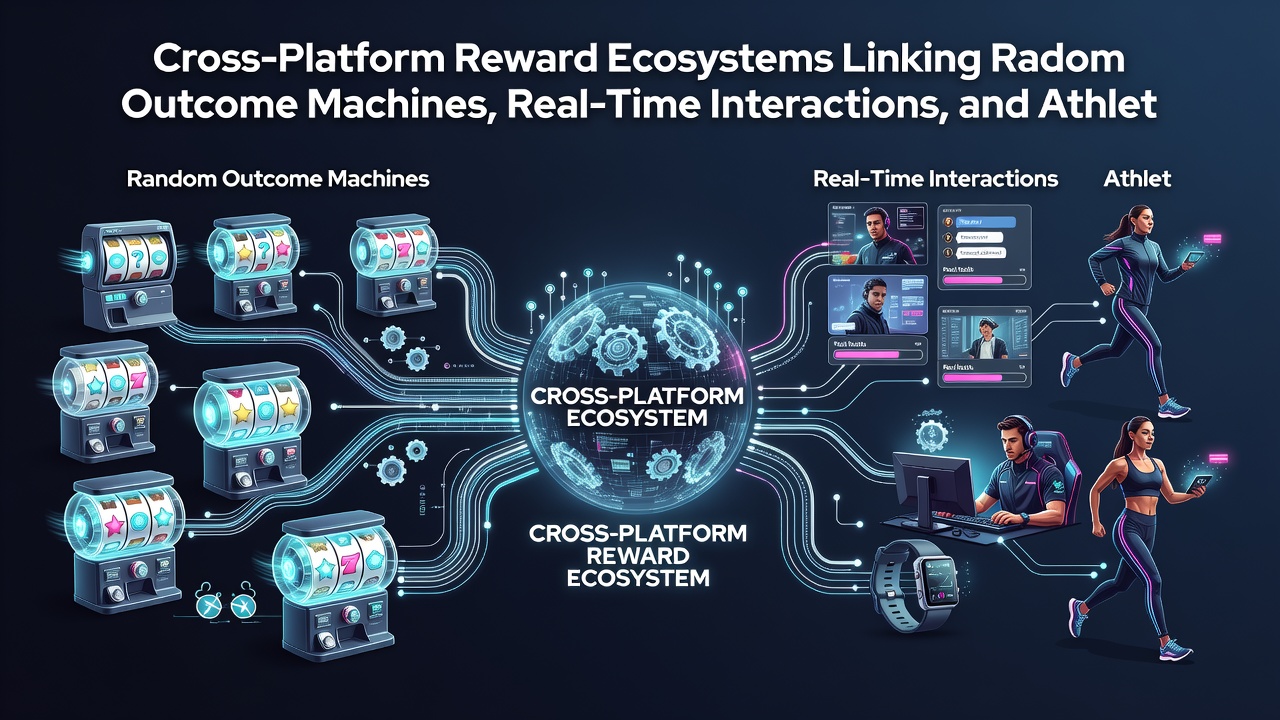
European operators licensed under Malta Gaming Authority rules have extended these models to include cross-border play where participants maintain one profile while accessing slot libraries, live streams, and sports markets, with point balances persisting across sessions regardless of device or location within permitted regions.
Player Behavior Patterns and Data Trends
Analytics platforms record increased session lengths when loyalty incentives span multiple verticals, as participants often transition from random outcome machines to live dealer tables during peak hours and then place athletic wagers on concurrent events, all while accumulating toward the same reward milestones. Figures released by industry analytics firms show average point redemption rates rising when frameworks allow seamless movement between game types rather than requiring separate tracking.
Observers note that tiered benefits such as cashback percentages or accelerated withdrawals apply uniformly once thresholds are met, creating continuity that spans the distinct mechanics of probability-based slots, skill-influenced live interactions, and odds-driven sports markets.
Regulatory Developments Scheduled for June 2026
Industry conferences planned for June 2026 will address standardization of loyalty data protocols across jurisdictions, with focus on how unified frameworks handle cross-vertical activity reporting to bodies such as the Nevada Gaming Control Board and equivalent authorities in other regions. Proposed guidelines emphasize transparent point valuation methods and player notification requirements when balances transfer between random outcome, live, and wagering modules.
These discussions build on existing technical standards that already require audit trails for every point issuance and redemption event, ensuring operators maintain records that satisfy multiple regulatory frameworks simultaneously.
Conclusion
Unified loyalty frameworks continue to evolve by connecting random outcome machines, real-time live interactions, and athletic wagers through shared infrastructure that tracks activity and distributes rewards consistently across platforms. Current implementations in licensed markets demonstrate measurable consolidation of player data while supporting compliance with diverse regulatory expectations, and upcoming industry meetings in June 2026 will likely refine further technical and reporting requirements.