Mapping Unified Reward Pathways Across Mobile Spins, Live Tables, and Sports Predictions
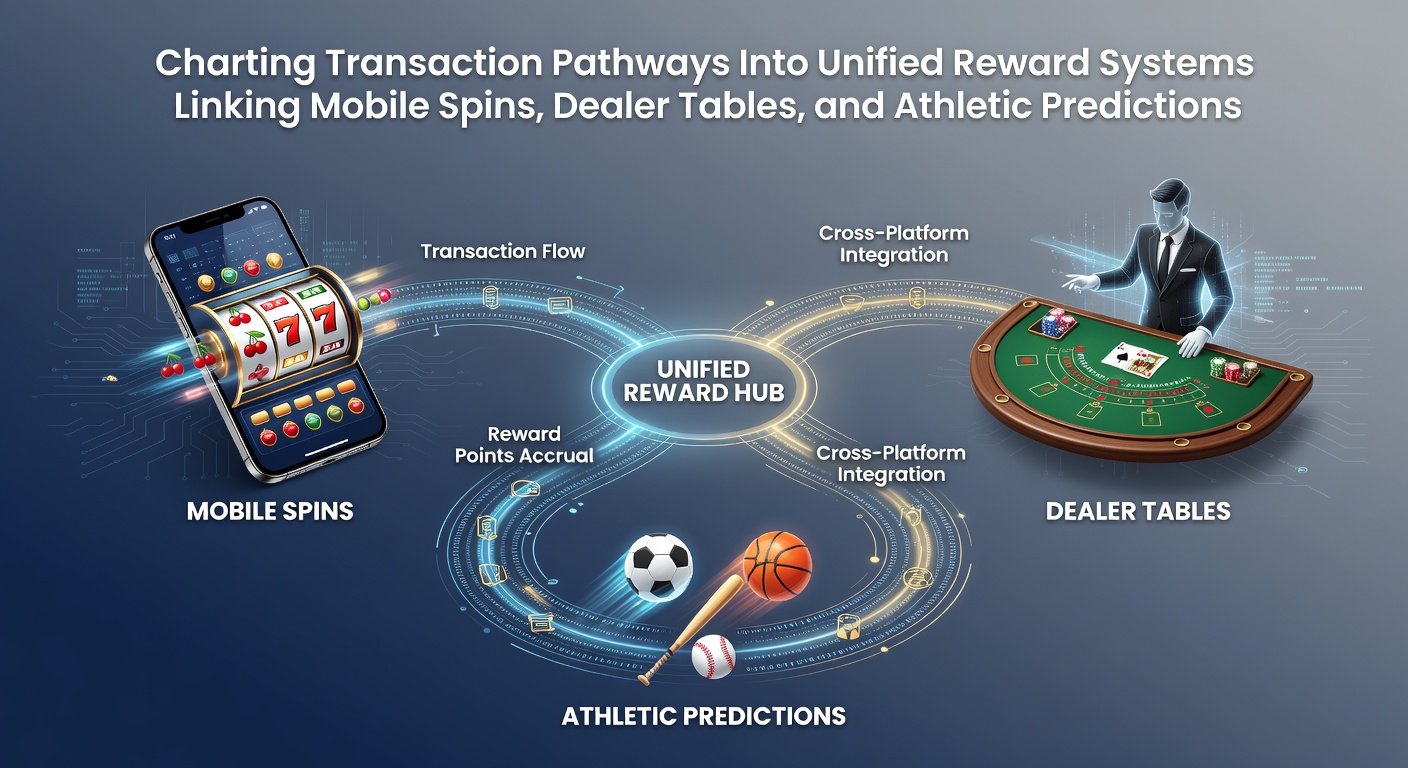
Transaction pathways in modern gambling platforms now route activity from mobile spins through live dealer tables and into athletic predictions, feeding a unified reward system that tracks contributions in real time. These networks record each wager, win, and bonus as data points that accumulate toward shared loyalty tiers, wth the process relying on centralized ledgers that update across game categories without requiring separate accounts for each type.
Operators configure these pathways so that spins on mobile slots generate points based on bet size and frequency, while live table sessions add value through time spent and game variety, and sports predictions contribute via odds selection and stake amounts. The integration occurs because backend systems map every transaction to a common player profile, allowing points earned during a mobile spin session to apply directly toward rewards available in sports betting or table play.
Core Components of Pathway Integration
Unified systems operate through application programming interfaces that link mobile applications with live casino servers and sports betting engines, creating continuous data exchange that registers activity as it happens. Mobile spins feed initial transaction records into the ledger, dealer table results append additional entries based on session metrics, and athletic predictions finalize the cycle by converting prediction outcomes into loyalty credits that reflect overall engagement levels.
Payment processors handle the monetary side of these pathways by settling wagers across categories before routing associated reward data to the central system, which prevents fragmentation that once required players to manage multiple loyalty balances. As of June 2026, several platforms report that over 70 percent of active accounts utilize cross-category point transfers, according to figures released by teh American Gaming Association.
Technical Flow from Mobile Spins to Broader Rewards
Mobile spins initiate the pathway when a player places a bet in a slot game, triggering an immediate record that includes stake value, game identifier, and timestamp. This data travels to the unified ledger where algorithms convert it into base reward points, often at rates tied to game volatility and contribution percentage, while the same interface prepares the points for use in dealer table or sports environments.
Live dealer tables extend the pathway because each card dealt or wheel spin generates supplementary data that merges with the mobile spin history, allowing the system to recognize patterns such as consecutive sessions across device types. Athletic predictions complete many of these loops when users place wagers on match outcomes, with the platform automatically applying accumulated points to boost odds or unlock exclusive markets that draw from the combined transaction history.
Role of Dealer Tables in the Unified Structure
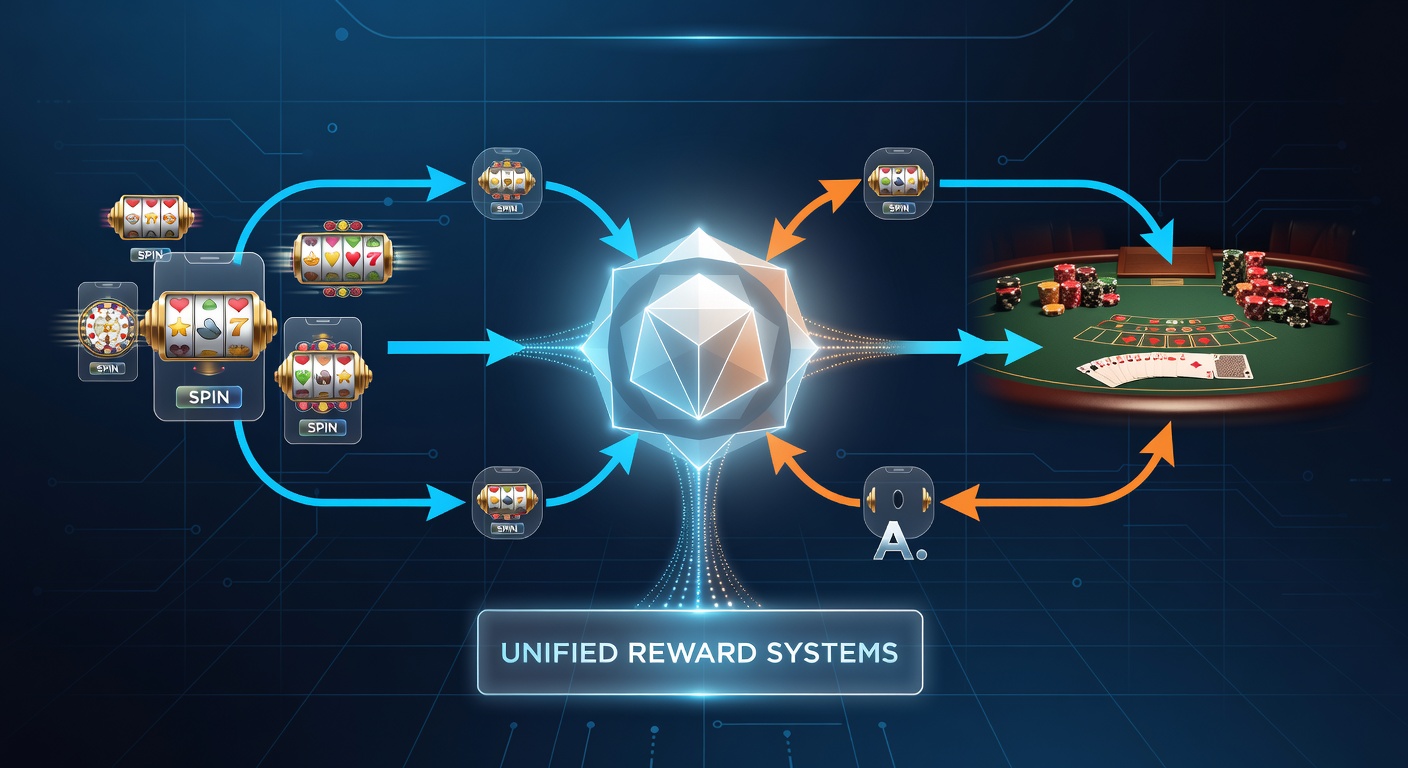
Dealer tables contribute distinct transaction data because real-time interactions produce metrics on bet pacing and decision frequency that differ from automated spin outcomes. These details enter the shared reward system through dedicated APIs that standardize table activity into point values comparable to those from mobile slots, creating parity that lets players move between environments without losing progress toward tier thresholds.
Systems often apply multipliers during peak table hours, which the ledger records alongside mobile and sports entries to maintain accurate totals. Observers note that this approach reduces player drop-off because the pathway keeps all activity visible in one dashboard rather than isolating table play from other categories.
Athletic Predictions and Cross-Category Accumulation
Sports prediction modules receive transaction feeds from both mobile spins and dealer tables, converting prior engagement into predictive tools such as boosted stakes or access to specialized events. The pathway works in reverse as well, since successful athletic wagers generate points that transfer back to slot or table rewards, closing the loop and encouraging continued participation across all three areas.
Research from the University of Nevada International Gaming Institute indicates that platforms using unified ledgers see higher average session lengths because players explore additional categories once points become interchangeable. Transaction logs show that athletic predictions often serve as the final step in daily reward cycles, where accumulated mobile and table activity determines eligibility for enhanced prediction features.
Regulatory and Security Considerations in Pathway Design
Pathway architecture must satisfy data protection rules across jurisdictions, which means each transaction carries metadata that identifies its origin game type while complying with audit requirements. Security protocols encrypt the flow between mobile devices, table servers, and prediction engines to prevent unauthorized access to reward balances during transfers.
Operators implement reconciliation checks at regular intervals so that points generated from spins match those recognized at tables and in sports markets, maintaining system integrity. These checks operate in the background without interrupting player experience, yet they ensure the unified reward system reflects accurate contributions from every category.
Conclusion
Transaction pathways that connect mobile spins, dealer tables, and athletic predictions now form the backbone of unified reward systems used by multiple platforms. The technical mapping of activity into shared ledgers enables seamless point movement, supports regulatory compliance, and delivers consistent tracking across game types. As these networks continue to expand, the documented flows provide a clear record of how engagement in one area directly influences opportunities in others.