Layered Frameworks Enabling Seamless Connections Between Mobile Reel Games, Live Dealer Feeds, and Sports Markets
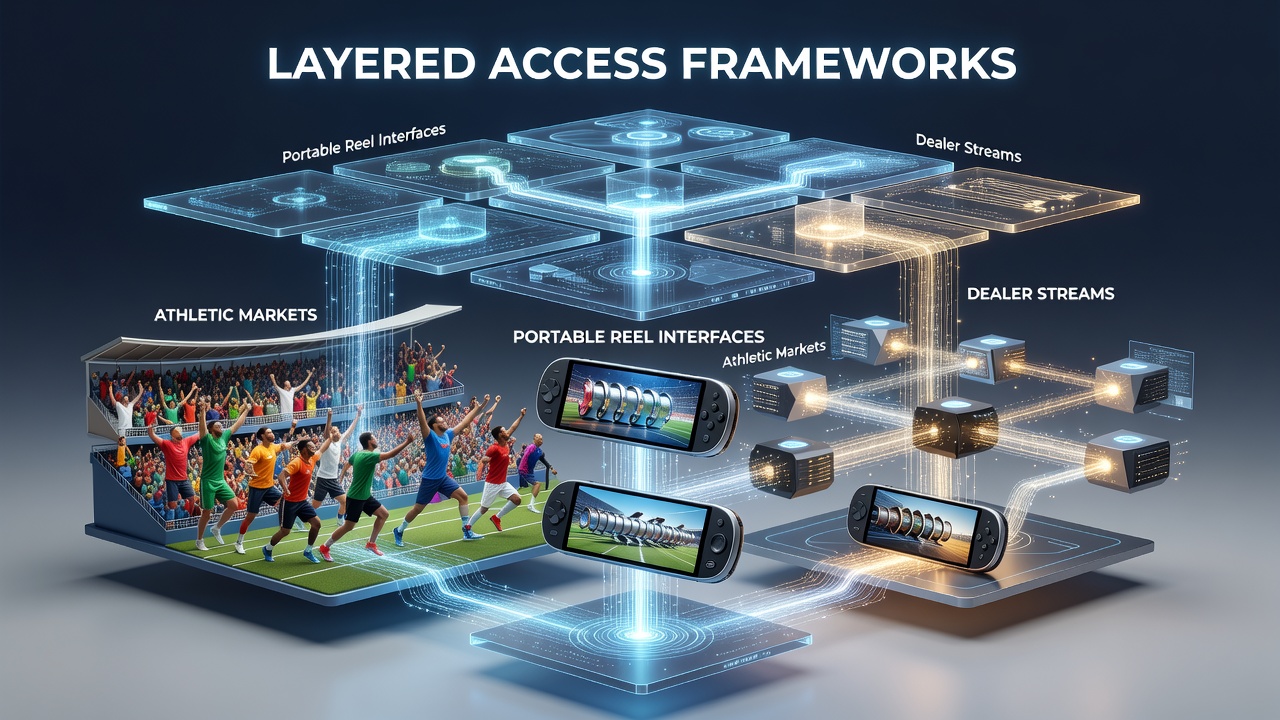
Layered access frameworks operate as multi-tier security and permission structures that connect portable reel interfaces with dealer streams and athletic markets through shared authentication protocols and data exchange layers, according to industry analyses from regulatory bodies such as the Nevada Gaming Control Board. These systems manage user verification at several levels while routing gameplay data between slot-style reel applications on mobile devices, real-time dealer video feeds, and sports wagering platforms without requiring separate logins for each segment. Data shows that such integrations rely on API gateways and token-based access controls that segment permissions based on user location, account status, and jurisdictional rules.
Portable reel interfaces typically function as mobile-optimized versions of traditional slot mechanics, allowing players to engage with spinning reels on smartphones and tablets while maintaining connectivity to backend servers that handle random number generation and payout calculations. When these interfaces link into layered frameworks, they gain pathways to dealer streams that broadcast live table games from studios or casino floors, enabling transitions between reel sessions and interactive dealer interactions within the same authenticated session. Athletic markets enter the picture through parallel data feeds that sync odds, event tracking, and bet settlement processes into the same access structure, creating unified player profiles across all three categories.
Core Components of Layered Access Systems
Authentication forms the base layer in these frameworks, where initial device checks and identity verification occur before granting entry to any reel, dealer, or sports module, while subsequent layers handle session persistence and cross-feature permissions. Researchers at institutions such as the University of Nevada, Las Vegas have documented how encryption protocols wrap each data packet exchanged between mobile reel clients and dealer broadcast servers, reducing exposure during transitions to athletic betting interfaces. Permission tiers then determine whether a verified user can place combined wagers that draw from reel progressions or live dealer outcomes into sports market selections.
Real-time synchronization represents another critical layer, where event data from athletic competitions updates odds displayed alongside dealer stream interfaces and reel bonus triggers. This synchronization depends on middleware that polls multiple sources simultaneously and pushes updates through secure channels without interrupting active sessions. Figures from Canadian gaming oversight agencies indicate that operators deploying these layered systems recorded measurable increases in session duration during periods when cross-feature access remained active and uninterrupted.
Technical Integration Patterns Observed in 2026
By July 2026, several platform providers had expanded their use of containerized microservices to isolate reel processing engines from dealer video distribution networks and sports book engines, allowing independent scaling while preserving unified access controls. These microservices communicate through standardized message queues that carry player state information across boundaries, ensuring that rewards earned on mobile reels transfer directly into dealer game credits or sports bet stakes. Observers note that container orchestration tools help maintain uptime during peak athletic event windows when dealer stream demand also spikes.
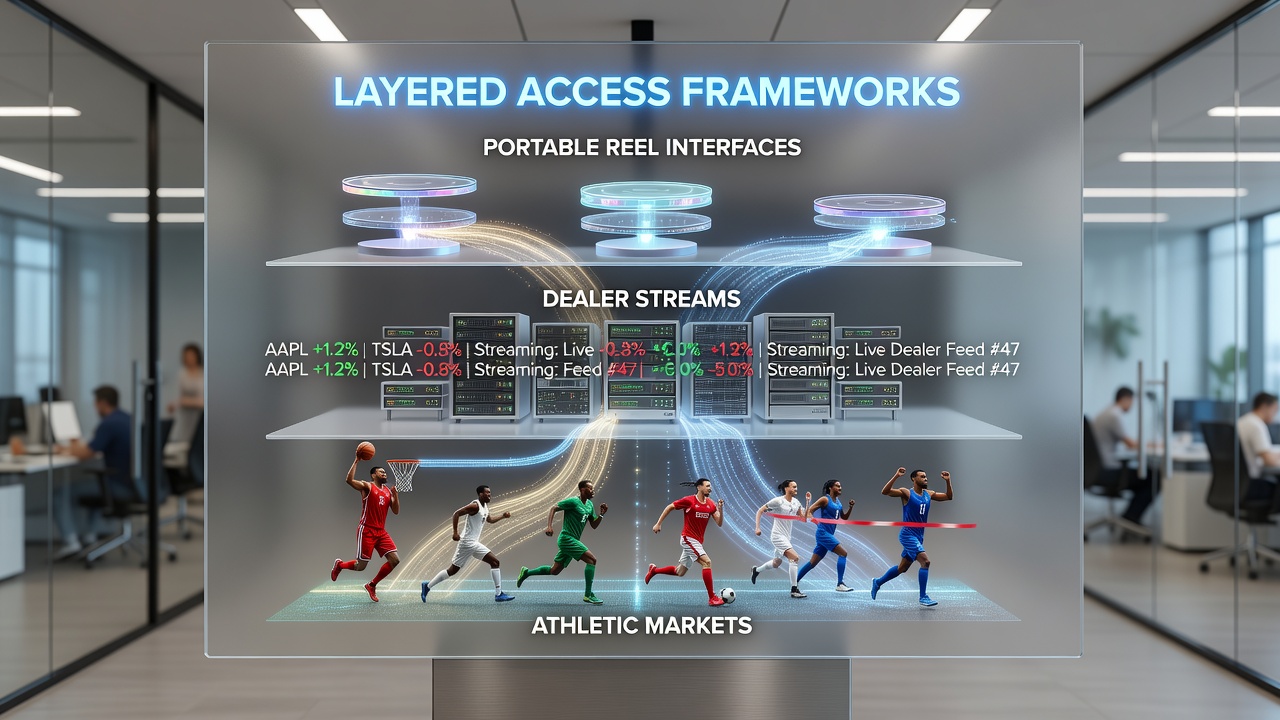
Compliance modules sit at higher layers within the framework, enforcing regional restrictions by checking IP geolocation and regulatory flags before routing traffic to any connected feature. This prevents unauthorized access to athletic markets from jurisdictions where sports betting remains limited while still permitting reel and dealer activity where permitted. Reports from the Australian Communications and Media Authority highlight how similar compliance layers reduced cross-border violations when implemented across multi-product platforms during the first half of 2026.
Data Flow and User Experience Considerations
Player data flows through encrypted tunnels that originate at the mobile device, pass through an identity verification node, then branch toward whichever module the user selects next, whether that is a reel session, dealer table, or sports market dashboard. The framework logs each transition for audit purposes, creating traceable records that operators submit to oversight bodies during routine reviews. What's interesting is how these logs also feed analytics engines that identify usage patterns across the three categories without exposing raw personal identifiers.
Shared loyalty mechanics operate at an upper access layer where points accumulated from reel spins convert into dealer game entry credits or sports bet bonuses through predefined exchange rates. This conversion happens inside the framework rather than through external transfers, minimizing latency and maintaining session continuity. Industry organizations including the European Gaming and Betting Association have tracked adoption rates of such shared mechanics across operators that maintain layered frameworks, noting consistent implementation patterns by mid-2026.
Conclusion
Layered access frameworks continue to evolve as operators refine the connections among portable reel interfaces, dealer streams, and athletic markets through successive security and permission layers. Technical documentation from multiple regulatory and academic sources confirms that these structures support secure data exchange, synchronized updates, and unified compliance enforcement across the integrated features. As deployment expands, the frameworks provide measurable operational benefits while maintaining the separation required by jurisdictional rules.