Interwoven Loyalty Networks: Table Game Milestones Fueling Sports Bet Advantages in App-Based Play
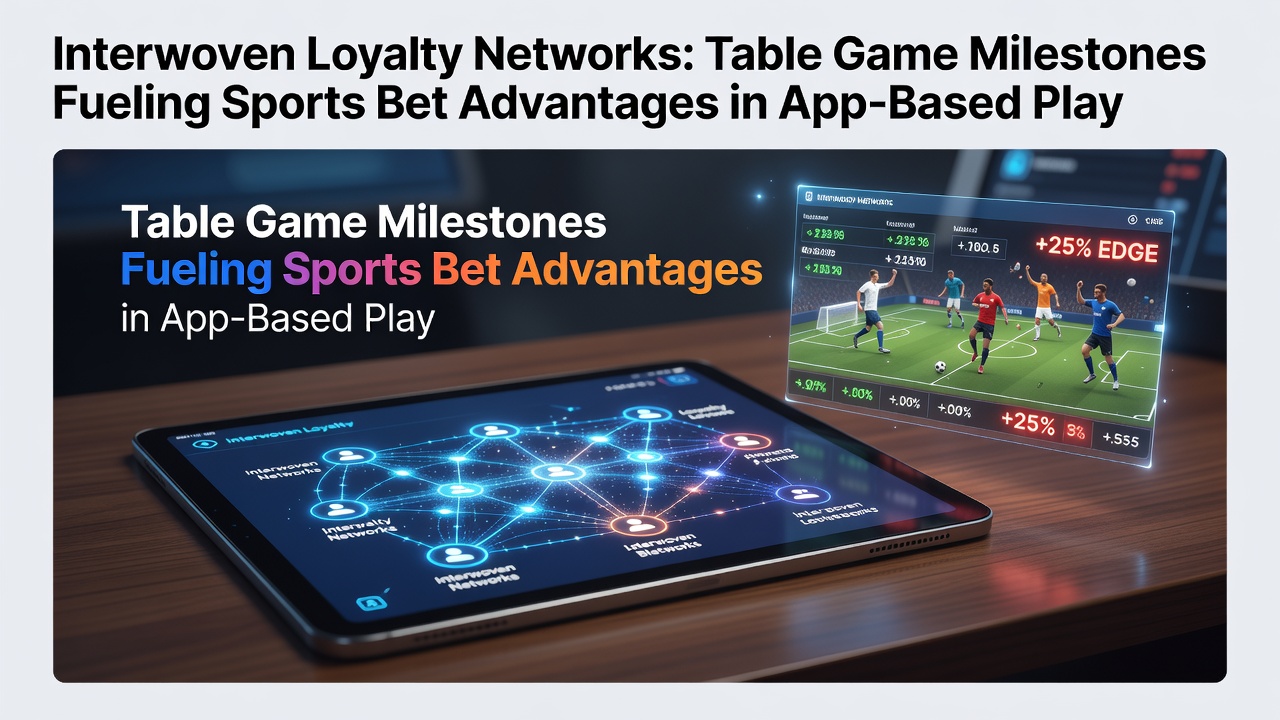
App-based gambling platforms have developed loyalty networks that connect progress in table games directly to enhanced options in sports betting sections, creating pathways where milestones achieved at virtual blackjack or roulette tables translate into betting credits, reduced margins, or priority access in live sports markets. These systems track player activity across game categories within a single application, allowing accumulated points from one area to influence rewards in another without requiring separate accounts or manual transfers.
Industry data from 2025 indicates that platforms using cross-category loyalty structures report higher retention rates compared to those maintaining isolated reward programs, with table game participants showing particular increases in subsequent sports betting volume. Developers achieve this integration through unified player profiles that log every hand played, every chip won, and every session completed, then apply algorithms to convert those metrics into sports-specific advantages such as boosted odds on selected events or instant cashback on losing wagers.
How Table Game Progress Converts to Betting Tools
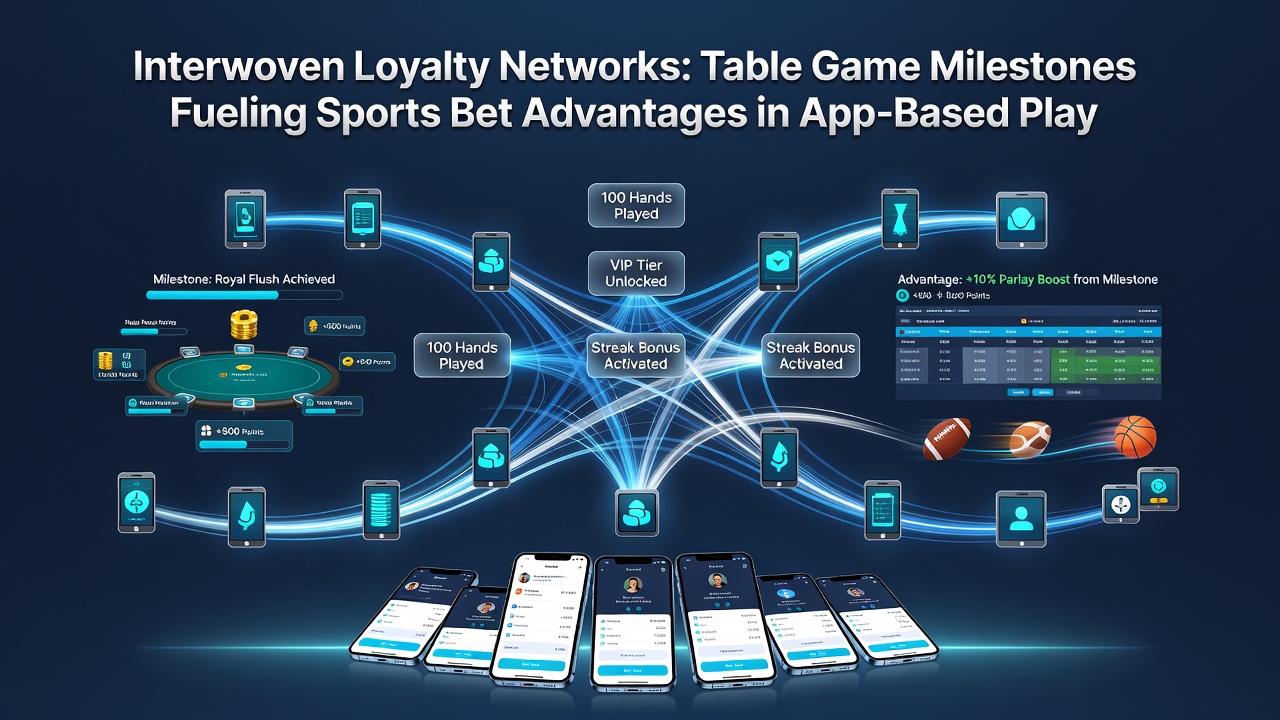
Table game milestones typically include reaching specific win streaks, completing a set number of hands within a time frame, or hitting cumulative profit targets. Once these benchmarks register in the loyalty database, the system unlocks corresponding sports betting features. For instance, a player who logs fifty blackjack hands in one week may receive a temporary reduction in the vig on football spreads or an increased maximum stake limit on basketball moneylines for the following weekend. Observers note that this conversion happens automatically at the backend, so users see the updated advantages appear in their sports wallet without additional steps.
Research conducted by the University of Nevada, Reno's gaming research center shows that players who engage with both table games and sports markets through shared loyalty tiers place 28 percent more bets per session than those using standalone sports applications. The study tracked anonymized data across multiple operators and found the effect strongest when table game achievements directly affected live in-play betting options rather than pre-match markets alone.
Technical Architecture Behind the Integration
Modern applications rely on real-time APIs that synchronize loyalty ledgers between table game servers and sports betting engines. When a player completes a qualifying poker session, the system pushes an event notification that adjusts the user's sports profile within seconds. This architecture supports simultaneous play, meaning someone can switch from a live dealer table to an NFL game without losing accrued benefits. Security protocols encrypt these transfers, and regulatory frameworks in several jurisdictions require operators to maintain audit trails showing exactly how points convert across categories.
June 2026 marks the scheduled rollout of updated technical standards from the Nevada Gaming Control Board that will require all licensed mobile operators to document cross-product reward mechanics in greater detail. These standards aim to ensure transparency when table game activity influences sports betting terms, particularly for features that alter odds or stake limits. Operators have already begun adjusting their reporting systems in preparation, with several major platforms testing updated dashboards that display conversion rates in player-facing menus.
Player Behavior Patterns and Platform Responses
Data compiled by the American Gaming Association reveals that users who reach intermediate loyalty tiers through table games demonstrate longer average session times when they move into sports betting. The association's annual report notes that integrated networks reduce the typical drop-off between game types, because players see tangible value in continuing rather than switching applications. One documented case involved an operator that introduced milestone-based margin reductions for sports bets after table game wins; within three months the platform recorded a measurable uptick in multi-category daily active users.
Platforms continue refining these networks by adding tiered advantages that scale with table game performance. Early tiers might grant small cashback percentages on sports losses, while higher tiers unlock exclusive prop bets or early access to boosted lines on major events. Those who've studied user logs observe that the most engaged players often alternate between table sessions and sports markets within the same evening, using table game results to fund or enhance their sports activity.
Regulatory Context Across Jurisdictions
Similar integration models operate under oversight from bodies such as the Australian Communications and Media Authority, which requires clear disclosure of how loyalty points transfer between game types. Reports from that agency indicate that transparent systems correlate with fewer player complaints about unexpected changes to betting conditions. In Canada, provincial regulators have begun requesting data on cross-product reward frequency as part of routine compliance reviews.
Operators respond to these requirements by embedding explanatory text within the app interface, showing users the precise table game actions needed to unlock each sports advantage. This approach satisfies disclosure rules while maintaining the seamless experience that drives engagement.
Conclusion
Interwoven loyalty networks continue expanding as app developers refine the connections between table game milestones and sports betting advantages. Current implementations rely on synchronized databases, automated conversions, and tiered reward structures that respond directly to player activity across categories. With upcoming technical standards taking effect in June 2026, operators are preparing enhanced documentation and interface updates to maintain compliance across multiple regulatory environments. These developments reflect ongoing efforts to link different forms of app-based play through unified loyalty systems rather than isolated programs.